

8 Modern Centerpiece Ideas for Dining Table in 2025
The dining table is more than just a place to eat; it's the heart of the home, a stage for conversations, and a canvas for your personal style. While a traditional bouquet of flowers has its classic charm, contemporary design calls for something more intentional, something that tells a story. This guide moves beyond the expected, presenting a curated collection of modern centerpiece ideas for your dining table that are both sophisticated and attainable.
Forget generic arrangements. We are diving into eight distinct concepts designed to transform your table from a mere surface into a statement piece. From minimalist geometric vessels and living succulent gardens to sculptural fruit displays and layered tray vignettes, you will discover fresh, practical ways to elevate your dining experience.
This isn't just a list of pretty pictures. It's a resource packed with actionable advice, specific styling formulas, and tangible examples. We'll show you how to curate a focal point that not only looks beautiful but also reflects the unique character of your home. Whether you're a design-conscious homeowner, a lover of Italian craftsmanship, or simply seeking inspiration, prepare to find the perfect idea to complete your space.
1. Minimalist Geometric Vessels with Single Stems
Embrace the profound elegance of "less is more" with a centerpiece that celebrates form, space, and a single, dramatic botanical element. This modern centerpiece idea for your dining table moves away from lush, overflowing arrangements and instead focuses on the architectural beauty of geometric vessels. The concept is simple yet powerful: a collection of sleek, sculptural vases, each holding just one or two carefully chosen stems. This creates a look that is intentional, clean, and undeniably contemporary.
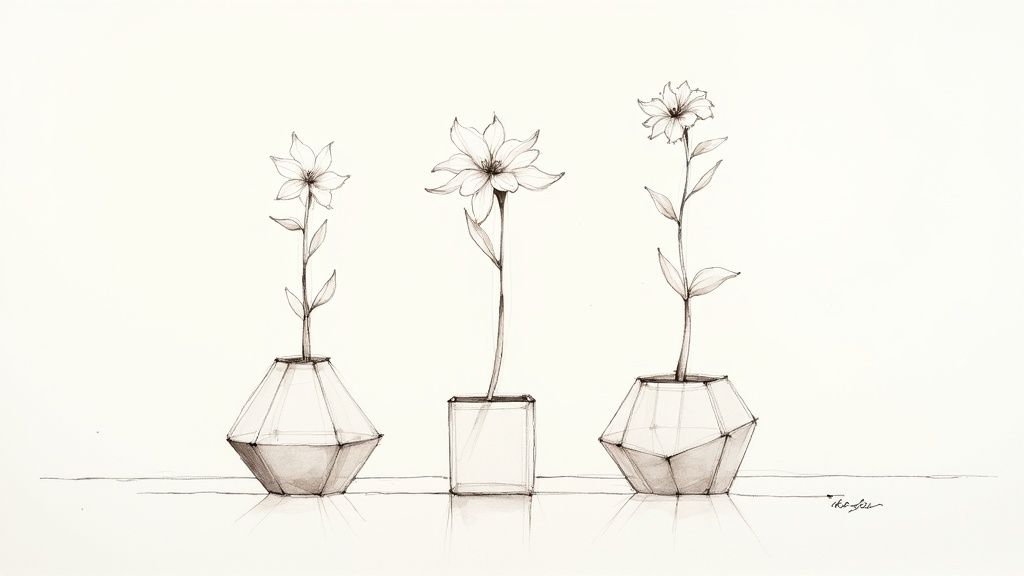
The power of this style lies in its simplicity, where the vase is as much a part of the art as the flower it holds. Think of a tiered brass tube vase showcasing a single, pristine orchid stem, or a cluster of matte concrete vessels each presenting a solitary plume of pampas grass. The negative space around each object becomes a crucial part of the composition, allowing each piece to breathe and command attention.
How to Implement This Look:
-
Select Your Vessels: Group three to five vessels of varying heights and shapes. To create subtle depth, mix materials like smooth ceramic, fluted glass, or brushed metal. Brands like Griseo Interior master this aesthetic with 3D-printed home decor that blends cutting-edge technology with an artisanal feel. For more inspiration, explore the principles of minimalist decor on their blog.
-
Choose Your Stems: Select botanicals with strong, architectural silhouettes. Try a vibrant bird of paradise, an exotic protea, a sculptural allium, or a classic calla lily. The goal is for the stem to complement the vase’s form, not overwhelm it.
-
Arrange and Style: Create a dynamic grouping by ensuring a height difference of at least 3-4 inches between your tallest and shortest vessels. Arrange them on a simple linen runner or a sleek metal tray to define the centerpiece area. For evening ambiance, intersperse one or two LED tealights in matching geometric holders.
2. Living Succulent and Air Plant Arrangements
Bring a touch of sustainable, living art to your dining space with a centerpiece composed of succulents and air plants. This modern centerpiece idea for your dining table swaps fleeting floral bouquets for long-lasting, low-maintenance botanical sculptures. It's a design choice that champions biophilic principles, connecting your interior with the natural world through organic textures, sculptural forms, and verdant hues. The result is a vibrant, evolving display that is both eco-conscious and effortlessly chic.
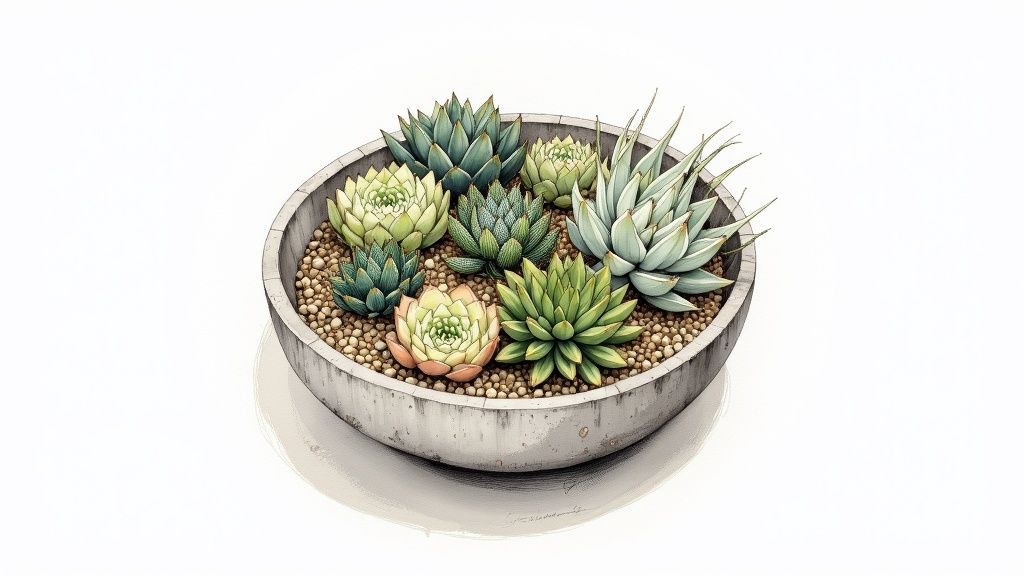
This approach focuses on creating a miniature garden that serves as a focal point. Imagine a long, shallow concrete trough filled with a vibrant tapestry of Echeveria and Sedum, or a sleek glass terrarium housing a curated collection of air plants nestled amongst moss and stones. The beauty lies in the arrangement’s texture, color variation, and architectural plant forms.
How to Implement This Look:
-
Pick Your Container: Choose a shallow, wide vessel that won't obstruct views across the table. Low-profile concrete bowls, long wooden troughs, or modern ceramic planters work exceptionally well. Match the container’s material to your dining room's aesthetic.
-
Select Your Plants: Create visual interest by mixing succulent varieties with different shapes, colors, and textures. Combine rosette-forming Echeveria with trailing "String of Pearls" and spiky Haworthia. For an even more minimalist look, arrange Tillandsia (air plants) on geometric metal stands or within a glass orb.
-
Build Your Arrangement: Start by adding a layer of gravel for drainage, followed by cactus/succulent soil. Arrange your largest plants first, then fill in the gaps with smaller varieties. Top the soil with decorative sand, small river stones, or black pebbles for a polished, finished look. To learn more about incorporating sustainable elements, find inspiration for eco-friendly home accents. For evening gatherings, weave a string of battery-operated fairy lights through the arrangement for a magical glow.
3. Sculptural Fruit and Vegetable Displays
Transform the ephemeral beauty of nature into a work of art with a centerpiece that is both stunning and edible. This modern centerpiece idea for your dining table elevates everyday produce into a sculptural statement, blending functionality with high-end design. The concept moves beyond a simple fruit bowl, encouraging you to see fruits and vegetables as artistic media, celebrating their organic forms, vibrant colors, and unique textures in a curated arrangement.
The appeal of this approach lies in its dynamic and living quality. It’s an accessible form of art that changes with the seasons and can be dismantled and enjoyed after your gathering. Imagine a sleek, low-profile ceramic bowl filled with a monochromatic arrangement of green apples, limes, and artichokes, or a dramatic pyramid of deep red pomegranates on a marble pedestal. This style proves that the most beautiful decor can also be the most practical.
How to Implement This Look:
-
Choose a Color Palette: For a sophisticated and intentional look, commit to a tight color story. Create an all-citrus display with lemons, oranges, and grapefruit for a vibrant pop, or an all-green arrangement for a calming, natural feel. This discipline turns a simple collection of produce into a cohesive artistic statement.
-
Focus on Form and Texture: Select items with strong, interesting silhouettes. The fractal patterns of a romanesco cauliflower, the spiky exterior of a dragon fruit, or the waxy sheen of persimmons add immense visual interest. Polish hard-skinned fruits like apples and citrus with a soft cloth to enhance their natural shine and make the colors pop.
-
Elevate and Arrange: Use a modern pedestal bowl or a tiered stand to give your arrangement height and presence, transforming it from a mere bowl of fruit into a true centerpiece. Arrange items with intention, creating geometric patterns, a cascading effect, or a graduated display from largest to smallest. For a long-lasting base, mix in a few high-quality faux fruits with real ones on top.
4. Floating Candle and Water Features
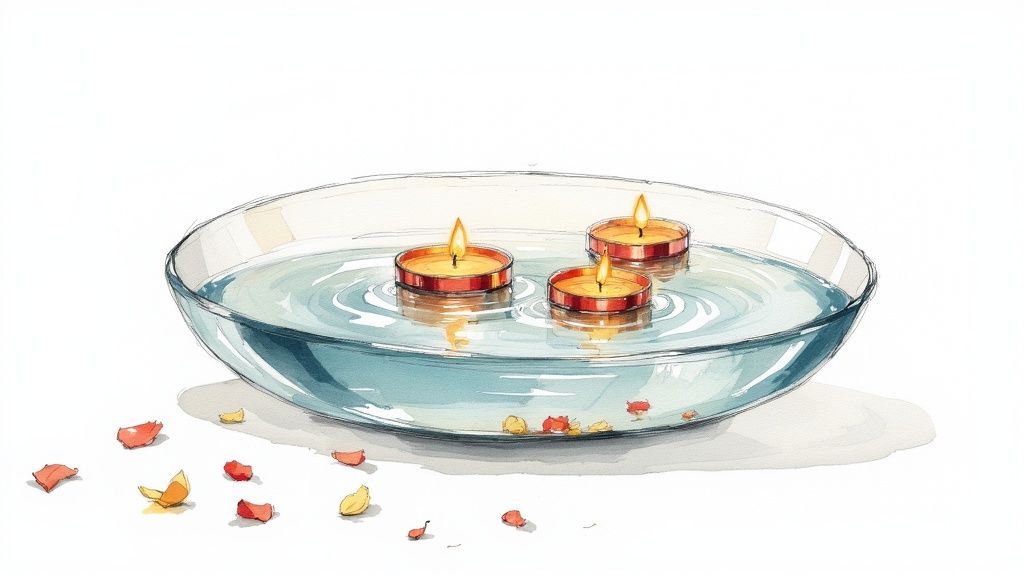
Create a serene and captivating ambiance with a centerpiece that harnesses the elemental beauty of water and light. This modern centerpiece idea for your dining table uses the gentle interplay of floating candles, reflective water, and botanical accents to establish a tranquil, spa-like atmosphere. The concept moves beyond static arrangements, introducing dynamic elements of movement and flickering light that engage the senses and create a sophisticated, zen-inspired focal point perfect for intimate dinners or elegant gatherings.
The allure of this style lies in its living, breathing quality. The reflections on the water's surface amplify the candlelight, casting a soft, shimmering glow across your dining space. Imagine a low, wide glass bowl filled with water, where pristine gardenia blossoms and flickering tea lights float gracefully. Or envision a long, rectangular glass trough with submerged bamboo stalks and a neat line of floating candles, creating a look that is both organic and architecturally clean.
How to Implement This Look:
-
Select a Vessel: Choose a low, shallow vessel to ensure the flames remain visible and don't obstruct conversation. A clear glass bowl, a minimalist concrete trough, or a sleek metallic dish all work beautifully. Match its finish to other metals or materials in your dining room for a cohesive look.
-
Add Botanical Accents: Enhance the water feature with subtle botanical elements. Float delicate orchid heads, vibrant rose petals, or single camellia blooms. For a more structured look, submerge weighted items like calla lily stems, bamboo shoots, or even colorful river stones and clear glass gems at the bottom for added sparkle and depth.
-
Arrange and Style: Use distilled water to prevent cloudiness and keep your arrangement looking crystal clear. For visual balance, always use an odd number of candles (three, five, or seven). Consider LED floating candles for a worry-free, reusable option. For maximum impact, add fresh flower petals just before your guests arrive to ensure they look their best.
5. Layered Tray Vignettes
Transform your dining table into a curated story with a layered tray vignette, a modern centerpiece idea that combines personal style with interior design principles. This approach involves arranging a collection of meaningful and beautiful objects on a decorative tray or platform, creating a self-contained, artful display. It’s less of a single centerpiece and more of a mini-exhibition that can evolve with the seasons, your mood, or your latest finds.
The beauty of the vignette lies in its versatility and narrative power. This method allows you to group disparate items into a harmonious whole. Imagine a rustic wooden dough bowl holding a trio of beeswax candles, a small succulent in a ceramic pot, and a beloved art book. The tray acts as a frame, unifying the elements and giving them a collective purpose and presence on your dining table.
How to Implement This Look:
-
Choose Your Foundation: The tray is your stage. Select a piece that complements your table and overall decor. A round marble tray adds a touch of luxe, a reclaimed wood board offers organic warmth, while a sleek, dark metal tray can provide a modern, industrial edge.
-
Apply the Rule of Threes (and Texture): Group items in odd numbers, typically three or five, for a visually pleasing composition. Combine varied textures to create interest: the smoothness of ceramic, the roughness of a stone object, the sheen of metal, and the softness of natural linen.
-
Vary Scale and Height: The key to a dynamic vignette is variation in height. Anchor the arrangement with a taller item like a slender candlestick or a bud vase with a single branch. Add a mid-level object like a small sculpture or a candle in a jar, and finish with a low-profile item like a decorative box or a string of beads. A pro tip: use a stack of small books as a pedestal for a smaller object.
-
Curate and Edit: Choose objects that mean something to you but stick to a cohesive color palette of two to three main colors. Don't overcrowd the tray; negative space is essential for a polished, uncluttered look. The goal is a thoughtful arrangement, not a collection of clutter.
6. Oversized Statement Branches and Dried Arrangements
Capture the raw, organic beauty of nature with a centerpiece that commands attention through its sheer scale and texture. This modern centerpiece idea for your dining table moves beyond fresh flowers into the enduring world of oversized branches and dried botanicals. The concept is about creating a dramatic, architectural statement using natural, preserved elements that offer height, form, and a touch of wild sophistication. It’s a zero-maintenance approach that celebrates earthy tones and the elegant imperfection of the natural world.
The allure of this style lies in its textural depth and lasting impact. Imagine towering plumes of pampas grass adding soft drama, or a cluster of bleached palm spears creating a sculptural silhouette. This trend brings a grounded, wabi-sabi aesthetic to your space. The focus is on organic shapes and a muted palette that feels both grand and calming.
How to Implement This Look:
-
Find the Right Vessel: Choose a substantial vase with enough weight to anchor your tall arrangement and prevent tipping. A heavy ceramic urn, a tall floor vase, or a rustic earthenware pot works perfectly. Keep the vessel simple to allow the dramatic form of the branches to take center stage.
-
Select Your Botanicals: The key is scale. Select branches or stems that are at least 1.5 to 2 times the height of your vase. Look for striking manzanita branches, long stems of preserved willow eucalyptus, or dramatic bunny tail grass clusters. Don’t be afraid to mix different textures, like feathery pampas with rigid palm spears, for added visual interest.
-
Arrange and Place: To avoid obstructing views across the table, place these grand arrangements on a nearby sideboard, a console, or in a floor vase next to the table. For pampas grass, give it a light coat of hairspray to minimize shedding. Always use an odd number of primary stems (three or five) for a more natural look. To clean, gently use a hairdryer on a cool, low setting to blow away dust.
7. Monochromatic Fresh Flower Arrangements
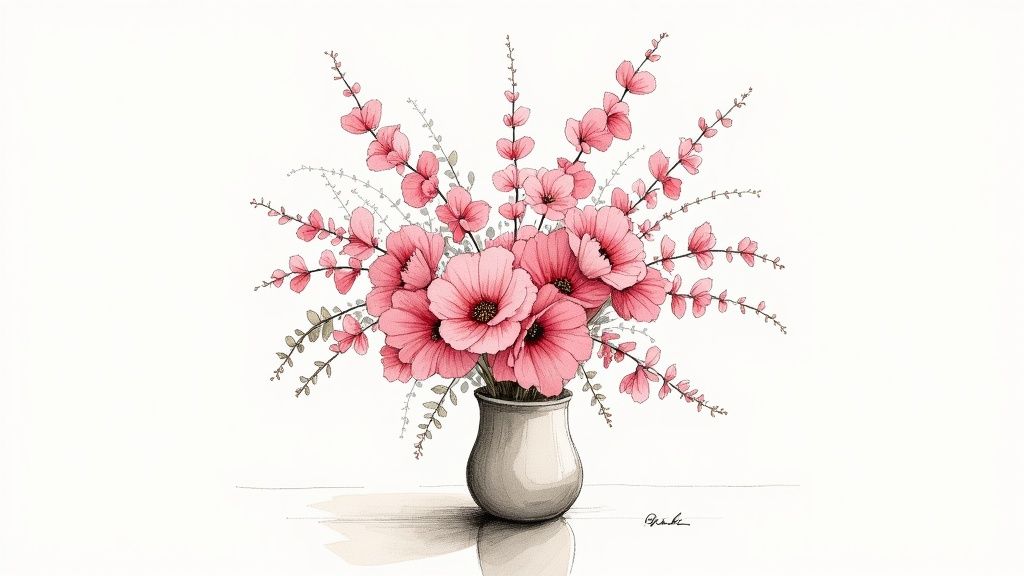
Elevate your dining table with the sophisticated drama of a monochromatic floral arrangement. This modern centerpiece idea for your dining table embraces the power of a single color family, creating a visually cohesive and impactful statement. Instead of relying on contrasting hues, this approach builds depth and interest through subtle variations in tone, texture, and form. The result is an incredibly chic and curated look that feels both luxurious and refreshingly contemporary.
The artistry of this style is evident in the work of renowned floral designers. Imagine a lush, all-white centerpiece featuring delicate ranunculus, classic roses, and elegant tulips. Alternatively, picture a deep burgundy arrangement with dramatic dahlias, cascading amaranthus, and textured spray roses, creating a rich, moody focal point. The focus on a single color allows the unique beauty of each individual flower to shine.
How to Implement This Look:
-
Select Your Flowers: For a dynamic, professional-looking arrangement, choose at least three different flower varieties within your chosen color family. Combine large focal blooms (garden roses, dahlias) with medium-sized filler flowers and delicate accents (tweedia, scabiosa pods) to add textural interest. Sourcing flowers in different stages of bloom—from tight buds to fully open blossoms—will also create natural depth.
-
Choose a Vessel and Arrange: Select a neutral vase in a simple shape (ceramic, glass, or concrete) to ensure the flowers remain the star. When arranging, vary the shapes of your botanicals, incorporating round blooms, spiky elements, and flowing foliage to build a compelling silhouette. This technique creates visual movement and prevents the arrangement from looking flat.
-
Keep it Fresh: To keep your monochromatic masterpiece looking its best, always cut stems at a 45-degree angle before placing them in water. Remove any leaves that will sit below the waterline to prevent bacterial growth. Change the water completely every two days to ensure your centerpiece remains vibrant.
8. Mixed Material Sculptural Objects
Step away from traditional botanicals and embrace a centerpiece that functions as pure, unadulterated art. This modern centerpiece idea for your dining table involves curating a collection of sculptural objects, architectural elements, or art pieces that command attention and spark conversation. Instead of flowers, the focus shifts to form, texture, and material, turning your table into a personal gallery that reflects your unique taste and style.
The allure of this approach is its bold personality and storytelling potential. Imagine a striking abstract brass sculpture glinting under your dining light, or a grouping of wabi-sabi inspired ceramic pieces adding organic texture. The goal is to select pieces that are not just beautiful but also meaningful, transforming your table into an expressive and dynamic space.
How to Implement This Look:
-
Mix Your Materials: The key is to combine materials for rich visual interest. Pair a smooth, matte ceramic sculpture with a piece of raw travertine, or contrast a dark wood object with a polished metal form. For an innovative touch, explore the intersection of technology and design with unique 3D-printed home decor.
-
Check Scale and Proportion: Ensure your chosen sculpture is substantial enough to anchor the space without overwhelming it. A large, singular object makes a powerful statement on a long table, while a collection of smaller pieces works well for a round table. The objects should feel proportional to the table size and not obstruct sight lines.
-
Arrange Your Objects: When grouping multiple items, stick to the rule of odds by arranging three or five objects together. Create a visual hierarchy with varying heights and shapes to build an engaging composition. Place them on a sleek tray or directly on the table surface to let the objects themselves be the main event. You can rotate pieces seasonally from other areas of your home to keep the look fresh.
Modern Dining Table Centerpiece Comparison
| Item | Implementation Complexity | Resource Requirements | Expected Outcomes | Ideal Use Cases | Key Advantages |
|---|---|---|---|---|---|
| Minimalist Geometric Vessels with Single Stems | Low - simple shapes and minimal florals | Minimal flowers, basic vessels (metal, glass, ceramic) | Clean, modern look with architectural lines | Contemporary homes, small to medium tables, low-maintenance | Easy upkeep, unobtrusive, budget-friendly, versatile |
| Living Succulent and Air Plant Arrangements | Moderate - living plants care required | Succulents, air plants, terrariums or bowls | Sustainable, evolving natural centerpiece | Casual dining, outdoor tables, eco-conscious homes | Low maintenance, long-lasting, eco-friendly |
| Sculptural Fruit and Vegetable Displays | Low - arranging edible produce | Fresh fruit/vegetables, bowls or stands | Functional, natural, ever-changing decor | Family/kitchen tables, health-conscious households | Edible, budget-friendly, encourages healthy eating |
| Floating Candle and Water Features | Moderate - water preparation, candle safety | Water, floating candles, glass/ceramic vessels | Romantic, ambient atmosphere | Dinner parties, romantic or evening dining | Inexpensive, customizable, atmospheric |
| Layered Tray Vignettes | Moderate - styling multiple objects | Tray, candles, plants, books, decor objects | Personalized, organized, textural display | Casual dining, farmhouse/transitional styles, everyday use | Customizable, portable, seasonally updateable |
| Oversized Statement Branches and Dried Arrangements | Moderate- high initial setup, no maintenance | Large dried botanicals, tall vases | Dramatic, textured, long-lasting focal point | Large dining rooms, bohemian/modern farmhouse, low-maintenance | Zero upkeep, striking impact, allergy-friendly |
| Monochromatic Fresh Flower Arrangements | High - sourcing and arranging varied tonal blooms | Premium fresh flowers, modern vessels | Sophisticated, elegant, cohesive arrangement | Formal events, special occasions, modern/minimalist interiors | Strong visual impact, versatile, photo-ready |
| Mixed Material Sculptural Objects | High - selecting unique art pieces | Art objects in ceramics, glass, metal, wood | Bold, permanent functional art statement | Art collectors, modern/eclectic interiors, conversation focus | Unique, zero maintenance, supports artists, lasting |
Curating Your Table's Signature Style
Your dining table is far more than a functional surface; it is the heart of your home, a stage for connection, and a canvas for your personal aesthetic. As we've explored, the world of modern centerpiece ideas for the dining table is rich with possibilities, moving far beyond traditional floral bouquets. From the architectural simplicity of geometric vessels holding single stems to the dynamic, living beauty of succulent arrangements, the modern approach is about intentionality and personal expression.
The true power of a contemporary centerpiece lies in its ability to adapt and evolve with your home and life. The ideas presented, whether it's the organic artistry of a sculptural fruit display or the dramatic impact of oversized dried branches, are not rigid rules but flexible starting points. The key takeaway is that your centerpiece should be a reflection of you. It can be a static, sculptural piece that grounds your space or a dynamic, ever-changing display that celebrates the seasons and special occasions.
Turning Inspiration into Action
How do you translate these concepts into a tangible reality for your own home? The next step is to move from inspiration to implementation. Don't feel pressured to perfect it on the first try. Instead, view your dining table as a design laboratory.
- Assess Your Space: Look at your dining room's existing elements. Do you have high ceilings that can handle the verticality of statement branches? Is your space defined by clean lines, making it perfect for a monochromatic floral arrangement or a minimalist sculptural object?
- Consider Your Lifestyle: Are you a frequent host who loves to create a special ambiance? A floating candle feature could be your go-to. Do you prefer low-maintenance decor that always looks polished? A permanent mixed-material sculpture or a layered tray vignette might be the ideal solution.
- Start Small and Experiment: Begin by choosing one idea that resonates most with you. Head to a local market to select unique fruits and vegetables, find an interesting branch on a walk, or source a single, beautiful vessel. Play with placement, scale, and texture.
Mastering the art of the modern centerpiece is about cultivating an eye for balance, form, and personal narrative. It's about understanding that the negative space around an object is just as important as the object itself. By embracing these principles, you elevate everyday moments, turning a simple meal into a curated experience and making your dining area a true testament to your signature style. Your table is waiting to tell its story, and you are the curator.
Ready to discover the perfect sculptural piece to anchor your dining table? Explore the curated collection at Griseo Interior, where minimalist Italian design and innovative 3D printing technology come together to create stunning, sustainable centerpieces. Find a unique, made-to-order vessel that will transform your space at Griseo Interior.