
A Practical Guide to Styling with White Textured Vases
More than just a holder for flowers, a white textured vase is a versatile design tool. It’s a sculptural element that brings a tactile, touchable quality to any room. Use it to add depth, anchor a vignette, or introduce a point of interest that transforms your space with its subtle but undeniable presence.
Why White Textured Vases Are a Smart Decor Choice
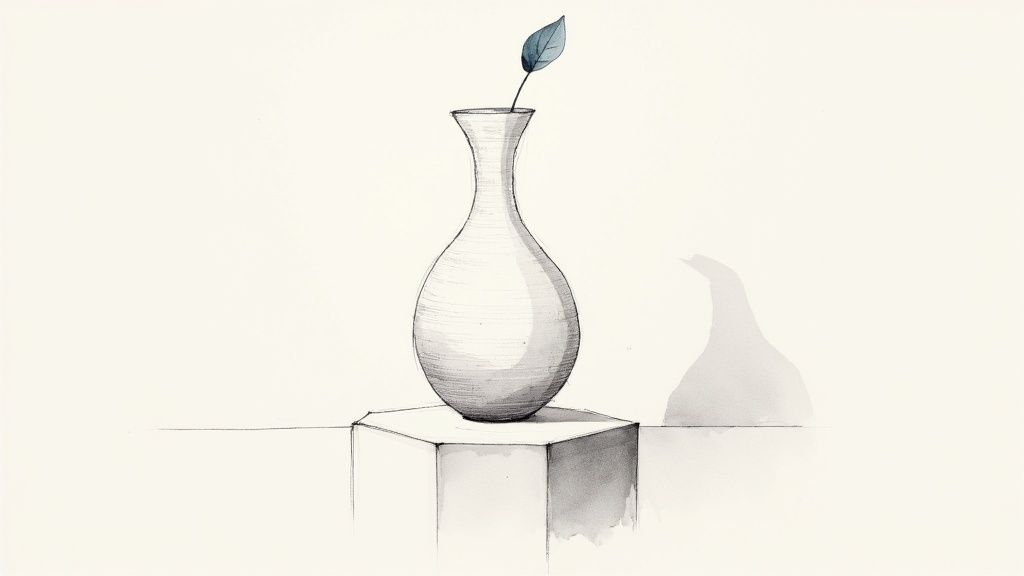
There's a reason white textured vases feel timeless, not just trendy. They are a practical and effective way to bring calm and visual interest into your home, serving as a functional piece of art in your busy life.
Think of it as adding visual quiet. The clean, neutral color is instantly soothing, while the texture—whether it’s ribbed, dimpled, or rough—adds a layer of personality that keeps things interesting. It’s this functional blend of simplicity and character that makes them fit in just about anywhere.
These vases do more than just sit there; they solve design problems. A grooved surface can echo architectural details, creating a cohesive look. A rough, sandy finish brings an earthy, organic warmth that keeps a minimalist room from feeling cold. Use these sensory details to intentionally shape the mood of your space.
The Rise of Tactile Decor
In recent years, decor that engages more than just our eyes has become essential. The demand for white textured vases has grown right alongside the minimalist and Scandinavian design movements that celebrate simplicity and warmth.
In fact, demand for these unique pieces jumped by about 18% between 2018 and 2023, with platforms like Instagram fueling the fire. A quick search for the hashtag #whitetexturedvase reveals over 1.2 million posts—a clear sign that people are using this look to great effect.
Here is how a textured vase can work for you:
- Bring Nature Inside: Use textures that mimic sand, stone, or tree bark to effortlessly blur the line between your indoor and outdoor spaces.
- Add Artisanal Charm: Choose pieces with unique surfaces that hint at being handmade to introduce character and warmth, a welcome contrast to mass-produced items.
- Create Visual Depth: In a room with a neutral palette, texture is your most important tool. Use it to stop the space from feeling one-dimensional or sterile.
Actionable Tip: To make your space more engaging, curate a sensory experience. Place a single white textured vase on an entryway table or a bookshelf to create a focal point that is both calming and captivating—a cornerstone of thoughtful design.
If you're aiming to build a serene interior, learning how to use pieces like these is a fantastic place to start. For more practical ideas, check out our complete guide to modern minimalist home decor. It’s packed with strategies to help you create a space that feels personal, curated, and deeply peaceful.
How to Choose the Right Texture and Form
Every white textured vase has its own language, spoken through its surface and silhouette. When you learn to understand this language, you can choose pieces that solve specific design challenges and perfectly suit your home. It’s about selecting an object to create a specific feeling—from the breezy calm of a seaside cottage to the quiet confidence of a modern art gallery.
Think of the texture as the vase's unique voice. To bring tranquility into your space, choose a vase with deep, vertical fluting that calls to mind the gentle rhythm of ocean waves. For a more grounded, earthy energy, select a rough, sandy finish to connect your room to the raw beauty of the natural world. These details are an invitation to touch and feel.
Pay attention to how a texture plays with light. A glossy, dimpled surface will catch the light and sparkle, adding a dynamic, playful vibe to a room. To add quiet drama to a sun-drenched shelf, choose a matte, grooved finish that absorbs light and casts soft shadows, highlighting its depth and sculptural form.
Match the Form to Your Style
If texture is the voice, then the form—or shape—of the vase is its personality. Use the silhouette to set the overall mood and determine how much of a statement it makes. You can use form to seamlessly blend with your existing decor or to introduce a bold, compelling new element.
Follow these guidelines to pick the right shape for your room:
- Organic and Curved: To create a relaxed, inviting atmosphere, select forms that are soft and natural. Think of shapes that echo a gently sloping hill, a smooth river stone, or a flower just beginning to bud. These work beautifully in spaces that draw inspiration from nature.
- Geometric and Linear: For a confident, modern, and structured look, choose vases with sharp angles, straight lines, and clean silhouettes. These command attention and are a fantastic choice for minimalist interiors or for adding a strong architectural touch to any room.
Actionable Tip: Don't just buy a vase; curate your space. By recognizing what textures and forms communicate, you can choose a white textured vase that doesn't just fill an empty space but truly enlivens it with purpose.
Whether you're drawn to the gentle whisper of a curved, matte piece or the confident declaration of a sharp, ribbed vessel, your choice becomes a meaningful act of design that brings your vision to life.
Choosing The Right Material For Your Vase
The material of your white textured vase determines its look, feel, durability, and function. Understanding the material is the secret to choosing a piece that perfectly fits your home and lifestyle, whether you plan to display fresh flowers or dried botanicals.
Think of it like choosing fabric for a piece of clothing. A rustic linen shirt has a completely different feel and purpose than a delicate silk blouse. In the same way, the clay used for a vase gives it a distinct personality and dictates its use.
Choosing the right material ensures your vase isn't just a beautiful object, but a functional one that lasts. It's about matching the vase's character to the story you want to tell in your space.
Understanding Common Ceramics
Most white textured vases you'll find are a type of ceramic, but not all ceramics are created equal. The type of clay and the firing temperature dictate everything from the vase's texture to its ability to hold water.
Here’s a practical breakdown of the three most common types:
- Earthenware: The most porous type of ceramic. Fired at low temperatures, it has a tactile, earthy feel. Because it is not watertight, use unglazed earthenware for dried botanicals like pampas grass or as a standalone sculptural object.
- Stoneware: Fired hotter than earthenware, stoneware is durable and dense. It strikes a balance between rustic charm and practical strength. Choose glazed stoneware for fresh flowers, as it is typically watertight.
- Porcelain: The most refined of the trio, porcelain is fired at incredibly high temperatures, making it strong and non-porous. Its fine nature allows for delicate details and crisp textures, and it is always suitable for water.
Before we dive deeper, use this table to compare materials and find the perfect vase for your needs based on feel, practical use, and cost.
A Comparison of White Textured Vase Materials
| Material | Aesthetic and Feel | Durability | Watertight Status | Price Range |
|---|---|---|---|---|
| Earthenware | Rustic, earthy, and porous. Feels wonderfully handmade and natural. | Moderate | Not watertight unless fully glazed inside and out. | $ |
| Stoneware | Substantial and sturdy. A beautiful balance between rustic and refined. | High | Often watertight, especially when glazed. | $$ |
| Porcelain | Smooth, delicate, and elegant. Can have a subtle, almost translucent quality. | Very High | Naturally watertight. | $$$ |
| Concrete | Modern, industrial, and raw. Can be surprisingly smooth or ruggedly textured. | Very High | Not watertight unless sealed. | $$ |
| Resin | Lightweight and versatile. Can mimic the look of stone or ceramic. | High | Watertight. | $$ |
| Glass | Classic and clean. Texture is often applied externally for a frosted or milky look. | Moderate | Watertight. | $ - $$$ |
As you can see, the right material really depends on your needs. For a purely decorative piece to hold dried stems, earthenware is a fantastic, affordable choice. But for that stunning bouquet of fresh hydrangeas, you’ll want to lean toward a glazed stoneware or porcelain vase.
Sustainability In Modern Vase Production
Beyond traditional clays, the decor industry is making inspiring strides toward more responsible production. The creation of white textured vases has seen a significant shift, with makers adopting sustainable practices that are better for our planet.
Today, about 40% of these vases are crafted using recycled clay or low-impact glazes. Furthermore, the use of energy-efficient kilns has cut the carbon footprint of production by an estimated 15% since 2018, reflecting a beautiful alignment between consumer desire and conscious craftsmanship. Discover more about these eco-friendly advancements in the latest ceramic vase market research.
This focus on sustainability means you can choose a vase that not only adds beauty to your home but also aligns with your values.
Understanding the artistry behind these pieces can also deepen your appreciation. If you're inspired by artisanal techniques, you might be interested in our guide on the beautiful world of hand-painted pottery and the stories it tells. Choosing a material becomes an opportunity to support craftsmanship you believe in.
How to Style White Textured Vases in Any Room
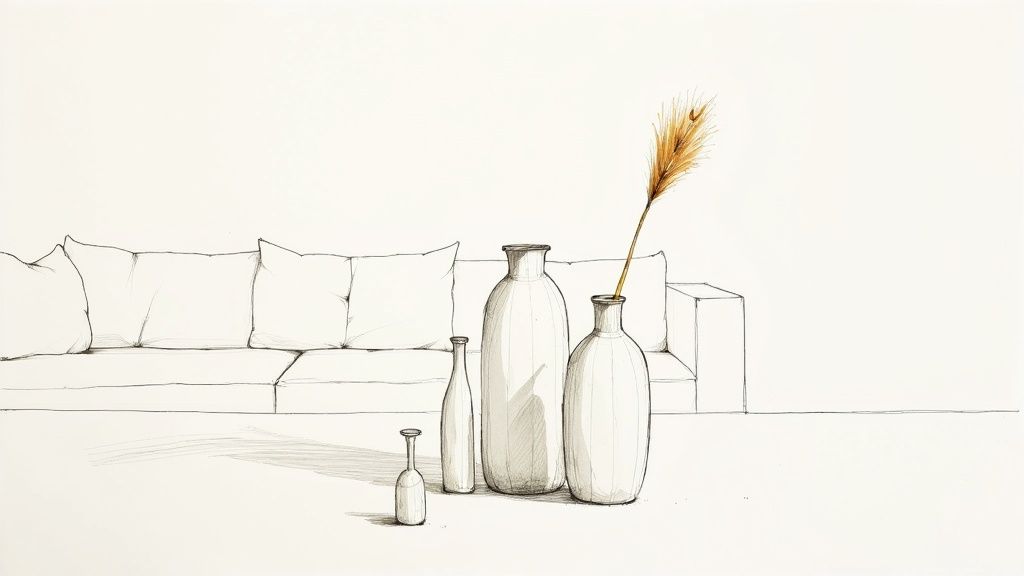
This is where you bring your design vision to life. Styling a white textured vase isn't about following strict rules; it's about using it as a tool to create arrangements that feel balanced and personal.
Treat your vase as a piece of sculpture. Its neutral canvas and touchable surface give it incredible range. It can command attention all on its own or play beautifully with other objects to tell a richer story.
Before you start, ask yourself: what’s the mood I'm going for here? Calm and Zen? Or energetic and artistic? Let that feeling guide your decisions, from where the vase lives to what—if anything—you decide to place inside.
Create Dynamic Groupings with the Rule of Three
To create a visually appealing display, arrange items in odd numbers. The Rule of Three is a classic designer’s secret because our eyes find odd-numbered groupings more natural and engaging. Try it on your console or coffee table.
- Play with Scale: Group three white textured vases of varying heights. The contrast between a tall, slender vase, a mid-sized round one, and a short, squat piece creates instant visual rhythm.
- Mix and Match Surfaces: Combine different textures to create a rich interplay that stops an all-white scheme from feeling one-note. Place a fluted vase next to a dimpled one and a matte, sandy-finished piece.
- Arrange in a Triangle: Position the vases in a loose triangular formation. This simple technique naturally guides the eye from one piece to the next, making the whole arrangement feel connected and balanced.
With this one simple principle, you can turn a few individual vases into a stunning, curated display. It’s one of the easiest ways to get a high-impact, professional look.
Actionable Tip: Strive for personality over perfection. A perfectly symmetrical arrangement can feel static. Instead, try a slightly off-center grouping for a display that feels alive and authentic. Let your intuition guide you.
Master the Art of the Filler
What goes inside your vase is just as important as the vessel itself. The right botanicals can elevate its form, but sometimes, the most powerful choice is to leave it empty.
Here are a few styling options to try:
- A Single, Sculptural Stem: For a clean, architectural look, place a single monstera leaf or a dramatic palm frond in your vase. The bold, graphic shape of the leaf creates a stunning silhouette against the vase’s texture.
- Feathery Pampas Grass: Use the soft, ethereal plumes of pampas grass to bring instant warmth and a touch of bohemian spirit. This is the perfect choice for porous earthenware that isn't meant to hold water.
- Twisted Branches: For a raw, organic element, use gathered branches with interesting shapes. Their rustic texture provides a beautiful counterpoint to the refined finish of a ceramic or porcelain vase.
The boldest move of all is to let your white textured vase stand completely empty. If a piece has a captivating texture or a unique sculptural shape, it doesn't need anything else. This minimalist statement celebrates the object as a work of art. For more ideas, explore our guide on finding the perfect contemporary decorative objects.
Caring for Your Vases to Ensure Lasting Beauty
Your white textured vase is a design investment. With just a little care, its beauty can last a lifetime, becoming a cherished part of your home for years to come.
Proper care preserves the unique finish, ensuring the textures—be it ribbed, dimpled, or sandy—remain crisp and captivating. This isn't a chore, but a simple routine to honor the piece's craftsmanship.
It all starts with knowing what your vase is made of. Porous earthenware and non-porous porcelain have very different needs. Understanding that difference is the first step to keeping your vase looking pristine.
Gentle Cleaning for Intricate Textures
The grooves and crevices that give your white textured vases personality can be magnets for dust. A heavy-handed approach can damage delicate finishes, so a gentle touch is key.
Here’s how to keep those surfaces looking their best:
- For regular dusting, use a soft, clean paintbrush or a can of compressed air. These tools are perfect for whisking away dust from intricate patterns without scratching the surface.
- For a deeper clean on non-porous materials like glazed stoneware or porcelain, use a soft microfiber cloth dampened with warm water and a tiny drop of mild dish soap.
- To tackle stubborn spots lodged in the texture, use an old, soft-bristled toothbrush. Gently scrub the area, then rinse thoroughly.
Actionable Tip: The golden rule for cleaning any textured surface is to avoid harsh abrasives or chemical cleaners. They can strip glazes, dull the finish, or permanently discolor the material, erasing the details that make your vase special.
How to Remove Water Lines and Prevent Stains
If you use your vase for fresh flowers, you may notice a faint ring of mineral deposits on the inside. This is normal and easy to fix.
To remove water lines, create a solution of equal parts white vinegar and water and let it sit in the vase for a few hours. For stubborn marks, add a spoonful of uncooked rice to the mixture and gently swirl it around to act as a soft, natural abrasive.
The best way to prevent stains is to change the water for your flowers every two days. This simple habit keeps your blooms vibrant and the inside of your vase as beautiful as the outside.
Finding Your Perfect White Textured Vase
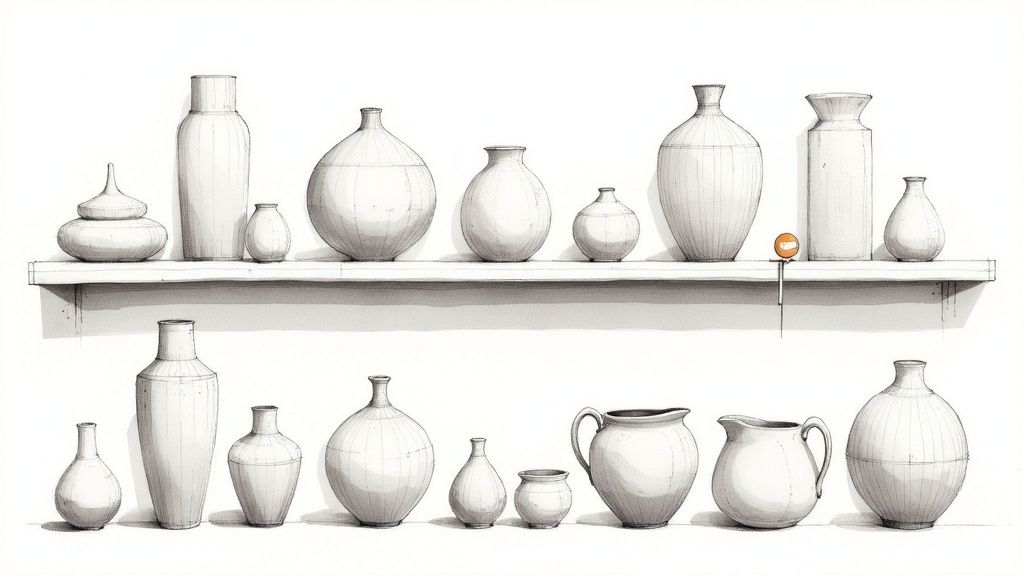
The hunt for the perfect white textured vase is a chance to find a piece that doesn’t just fill a space but truly completes it. Think of it as finding an object that echoes your style and starts a conversation all on its own.
This quest is an opportunity to connect with artists and brands who put their skills into every curve and groove. Whether you’re looking for a budget-friendly gem or ready to invest in an artisanal masterpiece, the right vase is out there.
Where to Look for Your Vase
Your ideal vase might be closer than you think. Knowing where to begin your search is half the battle.
Here are a few places to start your search:
- Accessible Home Decor Retailers: Big names like Crate & Barrel, Pottery Barn, and West Elm are fantastic for finding beautifully designed, on-trend vases that can blend into almost any decor.
- Online Artisan Marketplaces: Websites like Etsy are treasure troves for unique, handmade white textured vases. Here you can find a piece with a real story, often by connecting directly with the maker.
- Direct from Design Studios: Independent brands, like our own at Griseo Interior, specialize in creating unique, often made-to-order pieces. When you shop directly from a studio, you’re investing in exceptional craftsmanship and supporting more intentional production.
Actionable Tip: When you choose a vase, think of it as a future heirloom—a piece that will witness quiet mornings, joyful gatherings, and the simple beauty of everyday life in your home.
How to Assess Quality
Beyond the price tag, true quality gives a vase its staying power. As you shop, use your senses as a guide. A high-quality finish feels intentional, whether it’s a perfectly smooth glaze or a beautifully raw, tactile surface.
Look closely at handmade items. Subtle variations aren’t flaws—they’re the signature of the artist’s touch. A well-made vase should also have a pleasing weight and a stable base, ensuring it feels as substantial as it looks. Trust your intuition; your hands and eyes will lead you to a piece built to last.
Frequently Asked Questions
As you start your creative journey with a white textured vase, you're bound to have a few questions. Here are practical answers to some of the most common ones so you can choose, style, and care for your new piece with total confidence.
Can All White Textured Vases Hold Water?
No, and it is crucial to know the difference. The answer depends entirely on the material.
Vases made from porcelain or glazed stoneware are non-porous and naturally watertight, making them the perfect choice for fresh-cut flowers.
However, many vases with a raw, organic look are made from unglazed earthenware, plaster, or terracotta, which are porous. Treat these as sculptures for dried botanicals like pampas grass or twisted branches. Pro tip: To use them for fresh stems, simply slip a small, watertight glass or plastic container inside.
What Is The Best Way To Clean Intricate Textures?
Cleaning a complex surface is simple with the right tools to gently lift dust without harming the finish.
Use these methods for easy cleaning:
- A soft, clean paintbrush is my go-to for whisking away dust from delicate grooves and dimples.
- A can of compressed air (the kind used for electronics) is a game-changer for getting deep into tight patterns.
For a deeper clean on a non-porous vase, a soft cloth dampened with mild soap and water is all you need. Always avoid harsh, abrasive cleaners that could scratch or dull the texture.
Actionable Tip: To make a single vase a focal point, give it the space and light it needs to command attention. This transforms it from a simple decorative object into a piece of intentional art.
How Do I Make One Vase A Statement Piece?
To turn a single white textured vase into a showstopper, focus on its placement and context.
First, give it a stage. Place it on a mantelpiece, a console table, or a bookshelf with plenty of room to breathe, free from clutter. This space automatically signals its importance.
Next, use light. A spot near a window will let natural light play across its surface, highlighting every detail and shadow throughout the day.
Finally, style it with intention. A single, dramatic branch creates a powerful, minimalist look. Or, let the vase speak for itself by leaving it completely empty, celebrating its sculptural form as a pure work of art.
At Griseo Interior, we believe every object in your home should tell a story of beauty and intention. Discover our curated collection of contemporary, Italian-made vases and find the perfect piece to begin your own story. Explore the collection at Griseo Interior.