

A Guide To Modern Furniture Styles And Current Trends
The world of modern furnishing styles is more than just a collection of trends; it's a practical philosophy for creating a home that prioritizes simplicity, functionality, and uncluttered living. The goal is to design spaces that are not just stunning, but are practical and a joy to live in. Follow this guide to turn these principles into a reality in your own home.
Defining The Soul Of Modern Interior Design
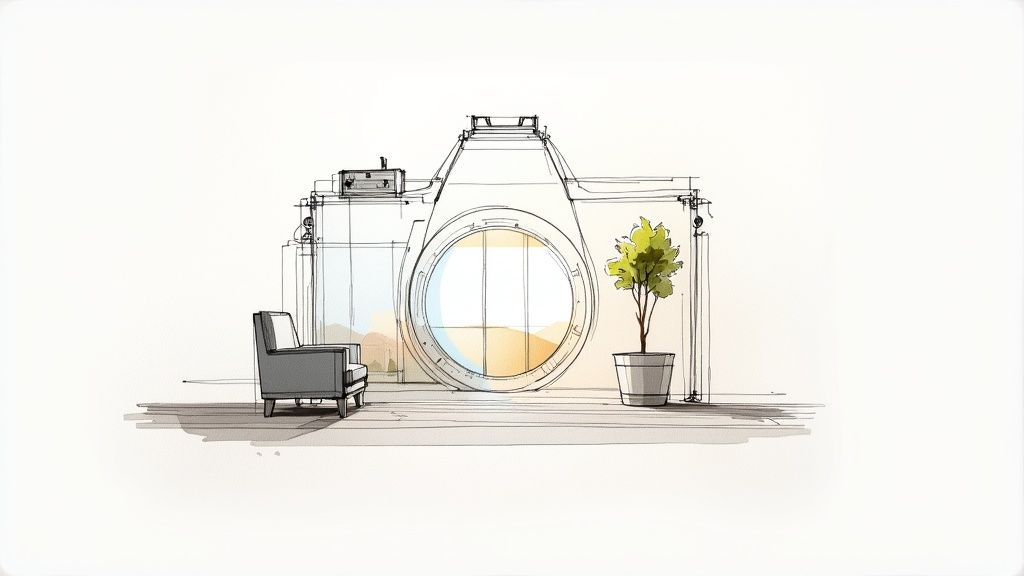
Think of modern design like a finely crafted camera. Every part has a job, there are no extra frills, and its purpose is to capture beauty with clarity. To achieve this in your home, strip away non-essential elements to let the beauty of form, materials, and light shine through. This creates a peaceful and restorative sanctuary.
This mindset is built on a few foundational ideas that can transform a house into a home that works for you. Understanding these core principles is the first step in finding the style that fits your lifestyle.
The Core Pillars Of Modern Design
Modern design was a reaction against fussy, over-decorated styles. To bring this cleaner, more intentional way of living into your space, apply these key characteristics:
- Prioritize Function Over Form: Before buying any item, from a sofa to a side table, ask: "What is its purpose?" Ensure every piece supports your daily life seamlessly, not just fills a space.
- Use Clean, Geometric Lines: Opt for furniture and architectural details with strong horizontal and vertical lines. Avoid ornate curves and fussy details to create a sense of calm, order, and structural beauty.
- Incorporate Natural Materials and Light: Build your design around authentic materials. Choose warm woods, sleek metal, clear glass, and natural fibers. Maximize daylight by keeping windows unadorned to blur the lines between inside and out.
- Create Uncluttered Spaces: Your goal is to achieve openness and breathability. Keep ornamentation to a minimum and implement smart storage solutions to keep surfaces clear and maintain a sense of ease.
This focus on simplicity has deep roots, especially in Italian design. If you're curious about that specific heritage, you can discover the essentials of modern Italian interior design right here: https://griseointerior.com/blogs/blog/modern-italian-interior-design.
Modern design isn't about what you can add; it's about what you can thoughtfully take away. The goal is to create a calming backdrop for life, where every object has room to breathe and serve its intended function with elegance.
This approach gives you a clean canvas. Once you understand these principles, you can confidently explore different flavors of modern style. To get a feel for it, explore a range of modern design collections and see how these ideas are applied. Seeing them in practice will provide a strong visual foundation for exploring Minimalism, Industrial, and Scandinavian design.
Mastering Minimalism to Create Serenity with Less
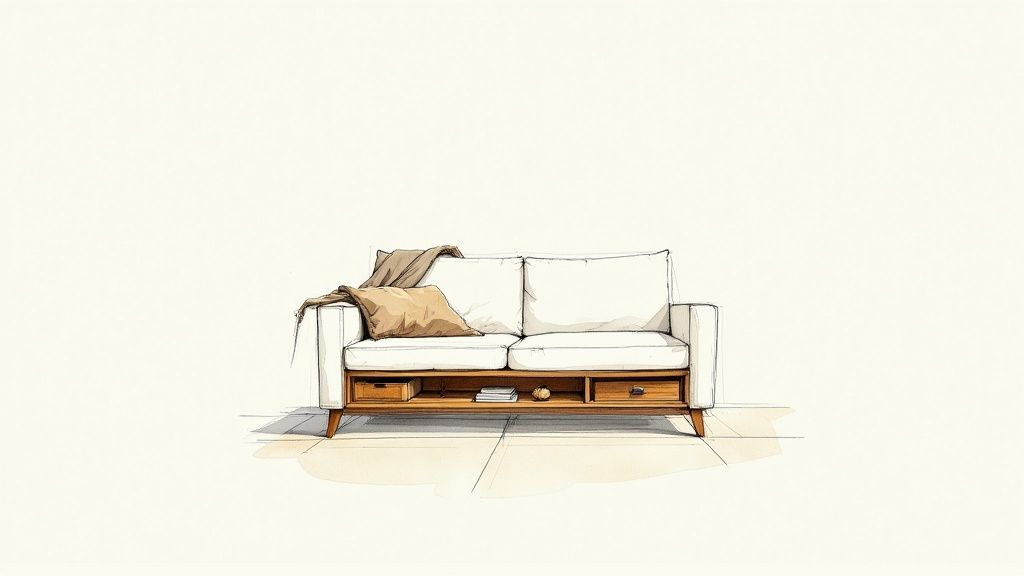
Minimalism is more than white walls; it's a practical philosophy for intentional living. This beloved modern furnishing style requires you to carefully edit your surroundings, keeping only what brings you joy and serves a purpose. The result is a home that feels like a peaceful retreat from outside chaos.
Start with mindful decluttering. The goal isn't to get rid of everything, but to create space for the things that truly matter. When you clear away excess, you make room for clarity and calm.
Building Your Minimalist Foundation
Crafting a minimalist haven requires deliberate choices. Focus on quality over quantity, from paint to furniture. Here’s a step-by-step plan to lay your foundation:
- Embrace a Neutral Palette: Start by painting your walls in soft whites, gentle greys, or warm beiges. These colors create a serene backdrop and amplify natural light, making any room feel more open.
- Add Impact with Accents: Once your neutral base is set, introduce a single, well-chosen accent color. A deep navy cushion, an olive green vase, or a terracotta throw can inject personality without overwhelming the space.
- Invest in Timeless Furniture: This is where "less is more" is crucial. Choose fewer, but better, pieces. Look for furniture with clean lines, simple silhouettes, and quality craftsmanship. A well-made sofa or solid wood dining table serves as both a functional piece and a work of art.
This focus on simplicity has made minimalism a huge driver in the design world. In fact, the global interior design market hit USD 138.63 billion in 2024 and is expected to climb to USD 208.16 billion by 2033. Much of this growth comes from modern styles that favor clean lines and adaptability, especially as we see more people needing uncluttered, functional home offices.
Adding Warmth Through Texture and Smart Storage
A common myth is that minimalism feels cold. The secret to avoiding this is texture. Layering different textures builds depth, comfort, and a tactile warmth that makes a space feel like home.
A minimalist home should feel like a warm embrace, not an empty gallery. Texture is the element that invites you to touch, feel, and truly live in your space.
Here’s how to do it: drape a chunky wool throw over a smooth linen sofa, place a natural jute rug under a sleek wooden coffee table, or set a rough-hewn ceramic vase on a metal shelf. These details create a rich sensory experience. For more ideas, check out our guide on modern minimalist home decor.
Finally, use clever storage to maintain a clean aesthetic. Seek out hidden solutions like ottomans with built-in storage, streamlined cabinets that blend into the wall, or platform beds with integrated drawers. These practical touches keep clutter out of sight, preserving the peaceful environment that is the soul of minimalist living.
Embracing Industrial Style With Raw And Refined Elements
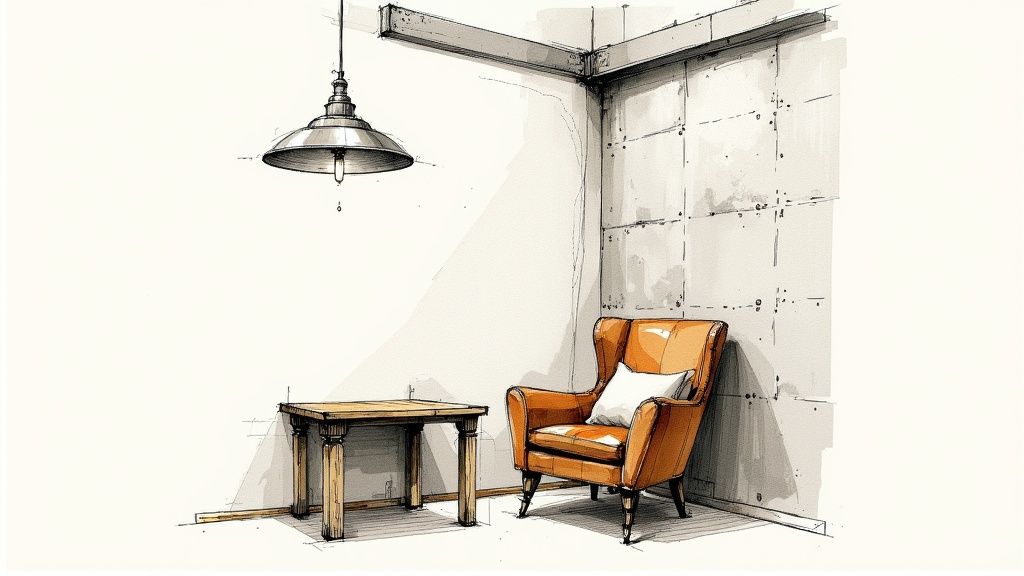
The industrial style captures the raw, unfinished beauty of old factories and warehouses. It celebrates a building's functional structure instead of hiding it. This style is built on honest, hardworking materials like exposed brick, polished concrete, and weathered wood beams. These elements bring an immediate sense of history and texture into a room.
Building The Industrial Look
You don't need to live in a converted loft to bring this aesthetic home. Strategically weave in the right materials and decor to capture that utilitarian vibe. Here’s how:
- Expose and Celebrate: If you have brick walls, make them a focal point. Don't cover them up. For flooring, choose polished concrete or distressed wood to ground the space in authenticity.
- Embrace Metal Accents: Metal is essential. Install black steel-framed windows or doors, leave ductwork exposed, or select furniture with bold iron legs. These details provide the style's signature edge.
- Choose Iconic Lighting: Lighting is crucial. Hang oversized metal pendant lamps low over a dining table or kitchen island. Alternatively, use simple track lighting or bare Edison bulbs to complete the utilitarian look.
Softening The Raw Edges
Industrial design doesn't have to feel cold. The key is to create a balance between hard surfaces and cozy elements. This contrast makes the space truly livable.
A worn leather sofa is the perfect example—it’s tough and durable, yet comfortable and welcoming. You can also bring in warmth with textiles. Use raw canvas, chunky wool throws, and natural fiber area rugs to soften the hard lines of concrete and metal without clashing with the aesthetic.
The real magic of industrial design lives in the contrast. It’s the dynamic interplay between a rough brick wall and a plush leather chair, or a cold steel frame and a warm wooden tabletop, that gives a space true character and soul.
When selecting furniture, look for pieces with clean lines that mix materials. A solid wood tabletop on a cast-iron base is a classic industrial choice. So are shelving units made from reclaimed wood and metal pipes. To find the right centerpiece, learn more about statement pieces for your living room.
By artfully balancing these raw and refined elements, you can create an industrial home that is both edgy and deeply personal.
Achieving Coziness And Simplicity With Scandinavian Design
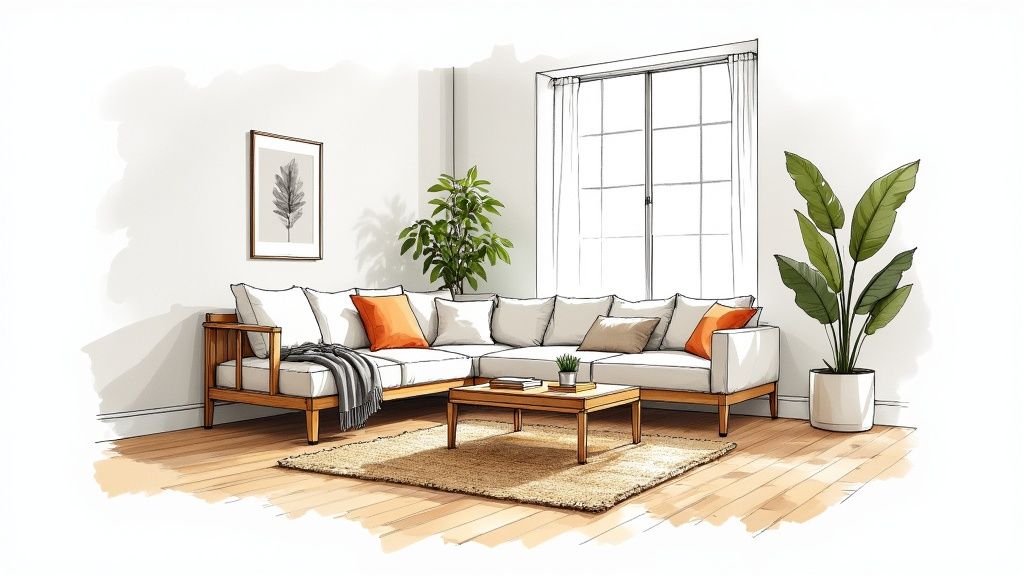
Scandinavian design is a cornerstone of modern furnishing styles that blends simplicity with deep comfort. Born from long, dark winters, this style focuses on light, nature, and creating an inviting indoor sanctuary.
At its heart is the Danish concept of hygge (pronounced "hoo-gah")—the feeling of cozy contentment from life's simple pleasures. It’s the art of creating warmth and intimacy in your home.
The Core Ingredients Of A Scandinavian Haven
To bring this simple aesthetic into your home, focus on a few key elements that work in harmony. The goal is to craft a space that’s functional and restorative. Here’s how to capture that signature Scandi feeling:
- A Light and Airy Palette: Start with a clean canvas of whites, soft greys, and pale blues. These colors act like a mirror, bouncing natural light around the room to make it feel bright and expansive.
- The Warmth of Pale Woods: Use light-colored woods like birch, ash, and pine for flooring and furniture. They bring a touch of nature indoors and add organic texture and warmth, preventing the neutral palette from feeling sterile.
- An Abundance of Natural Light: This is non-negotiable. Keep window treatments minimal or skip them entirely. If you need privacy, choose sheer, breezy curtains that let sunlight stream in.
Hygge isn't something you buy; it's a feeling you cultivate. It’s the gentle glow of a candle, the comfort of a wool blanket, and the joy of sharing a quiet moment in a space that feels completely at ease.
This connection to nature aligns with a growing global trend. A recent report found that 71% of designers now favor more colorful yet minimalist kitchens using eco-friendly materials over stark white ones. This focus on mindful living and natural elements is pure Scandinavian ethos. You can dive deeper into these evolving trends and the interior design market as a whole.
Actionable Steps For Infusing Hygge
Creating a cozy, Scandi-inspired space is about layering textures and light to build an atmosphere of comfort. Follow these steps:
First, introduce soft textiles. Drape plush wool or faux fur throws over your sofa and armchairs. Layer cushions in different textures, and place natural-fiber rugs, like jute or wool, to define spaces and add warmth underfoot.
Next, choose beautiful, practical furniture. Look for pieces with clean lines, elegant tapered legs, and smart, functional designs. In a Scandinavian home, every item must have a purpose to maintain an uncluttered environment.
Finally, master your lighting to create an inviting glow. Avoid harsh overhead lights. Instead, use multiple, softer light sources: a floor lamp by a reading chair, a stylish pendant over the dining table, and a cluster of candles on a side table. This layered approach creates the warm ambiance that embodies the spirit of hygge.
Choosing Your Perfect Modern Interior Style
Now that you've explored the possibilities, how do you choose which style is right for you? The key is not to chase trends, but to find a visual language that feels like home and improves the way you live.
Here’s a simple way to think about it:
- Minimalism is a quiet, contemplative art gallery where every item has a purpose and space.
- Industrial is a character-rich workshop where raw history meets modern living.
- Scandinavian is a sun-drenched cabin designed for cozy, light-filled, simple moments.
This framing helps clarify the core feeling of each style. Now, let's break down their components to help you build a design plan.
Key Features Of Modern Interior Styles
To determine which style resonates with you, compare their core ingredients side-by-side. This table provides a quick snapshot of the defining elements of Minimalist, Industrial, and Scandinavian design so you can easily identify your preference.
| Feature | Minimalist | Industrial | Scandinavian |
|---|---|---|---|
| Color Palette | Monochromatic neutrals like white, grey, and black with a single accent color for impact. | Raw and earthy tones, including brick red, charcoal grey, and black, balanced by neutrals. | Light and airy palettes dominated by white, soft greys, pale blues, and natural wood tones. |
| Signature Materials | High-quality, refined materials such as polished concrete, stainless steel, linen, and solid wood. | Unfinished, raw materials like exposed brick, weathered wood, concrete, and black metal. | Natural and light-toned woods (birch, ash), wool, shearling, felt, and ceramic. |
| Furniture Form | Clean, geometric silhouettes with an emphasis on function and simplicity. "Less is more." | Sturdy and utilitarian pieces often combining metal and wood with a focus on durability. | Simple, practical, and beautiful furniture with clean lines and often tapered, elegant legs. |
| Overall Vibe | Serene, uncluttered, and intentional. A calm and focused environment. | Edgy, authentic, and character-rich. A space with a sense of history and structure. | Cozy, bright, and nature-inspired. A warm and inviting sanctuary ("hygge"). |
Seeing the styles laid out this clearly should help you identify which column feels most like you. That’s your starting point.
Making Your Final Decision
Your choice comes down to how you want to feel when you walk through your front door. Do you crave the peaceful order of a minimalist space, the rugged story of industrial design, or the comforting warmth of a Scandinavian interior?
Also consider your home's architecture. Soaring ceilings might be perfect for an industrial touch, while a smaller home with great natural light is an ideal canvas for a Scandinavian palette.
Your floor sets the stage for everything. As you plan, understanding hardwood floor refinishing colors is a critical first step to ensure your largest surface perfectly complements your vision.
Use this guide to choose with confidence. The goal is to create a home that doesn't just look incredible but feels completely and authentically you.
Your Modern Interior Design Questions, Answered
Taking the leap into the world of modern furnishing styles is exciting, but questions are a natural part of turning ideas into a livable home. Here are actionable answers to the most common challenges.
How Can I Mix Modern Styles With My Existing Furniture?
You don't need to start with an empty room. Blending old and new is about creating a cohesive look. Here's a practical, step-by-step approach:
First, create a clean, modern canvas with light-colored walls and decluttered surfaces. This simple backdrop allows both traditional and modern pieces to stand out. An antique wooden chest, for example, becomes a stunning focal point against a crisp white wall when balanced by a sleek, contemporary sofa.
Next, find a common thread to tie everything together. Use one of these methods:
- A Shared Color: Pull a subtle color from a traditional armchair's pattern and repeat it in modern throw pillows or a piece of abstract art.
- Material Harmony: Pair a classic oak dining table with modern chairs that have oak legs to create a seamless bridge between styles.
- Shape Repetition: If an ornate, antique mirror has a curved frame, echo that shape with a modern, round coffee table or a sculptural floor lamp.
How Do I Make Modern Design Feel Warm and Not Cold?
A common worry is that modern interiors can feel sterile. The solution isn't adding more things—it's layering texture, thoughtful lighting, and personality.
Texture is your most powerful tool. Make a polished concrete floor feel instantly cozier by adding a deep, plush wool rug. Soften a sleek leather sofa with chunky knit throws and linen cushions. These tactile details invite touch and create a sense of comfort that warms up the room.
A modern space truly becomes a home when it engages more than just your eyes. It's the feeling of a soft rug underfoot, the gentle glow of a well-placed lamp, and the sight of objects that tell your personal story.
Lighting is also a game-changer. Ditch harsh, single overhead lights. Instead, layer your lighting with multiple sources at different levels—a floor lamp for reading, a table lamp on a console, and perhaps indirect LED strips. Always choose warm-toned bulbs to cast a welcoming, golden glow.
What Are Some Budget-Friendly Ways to Achieve a Modern Look?
You don't need a huge budget to create a high-end modern home. Focus on smart, impactful choices.
First, paint. A fresh coat of paint in a modern, neutral palette—like soft grey, warm off-white, or a dramatic charcoal accent wall—is the most cost-effective transformation you can make. It immediately sets a clean, contemporary tone.
Next, declutter thoroughly. This is free and has a massive impact. An organized space is the foundation of modern design and makes every piece you already own look more intentional.
Finally, be strategic with your accent pieces. You can find affordable decor that embodies modern principles. Here are some ideas:
- Statement Vases: A single, sculptural vase can function like a piece of art on a bookshelf.
- Modern Lighting: Swap a dated light fixture for a simple geometric pendant or a sleek metal floor lamp to radically update a room's vibe.
- Graphic Textiles: Introduce bold patterns through inexpensive items like new cushion covers, a throw blanket, or a striking area rug.
By focusing on these key updates, you can capture the spirit of modern furnishing styles in a way that’s both stunning and achievable.
At Griseo Interior, we believe authentic Italian design belongs in the everyday. Our collection of minimalist vases, sculptural accents, and modern furniture is crafted to bring timeless simplicity and artisanal quality into your home. Discover pieces that tell a story and elevate your space.